Finding the Right Mississauga top Windshield Repair for Quality Glass Repairs
Finding the Right Mississauga top Windshield Repair for Quality Glass Repairs
Blog Article
Trustworthy Windshield Fix Services for Safe and Clear Travel
Expert windshield assistance represent a vital component in facilitating secure and unobstructed driving. Immediate attention to cracks and damage will circumvent mounting deterioration and sustain vehicle stability. Seasoned technicians leverage state-of-the-art methods, frequently achieving expeditious results. Still, ascertaining when professional help is needed and comprehending how it functions might prove intricate. This surfaces important considerations around protection and excellence. Which factors could vehicle operators evaluate when picking a repair specialist?
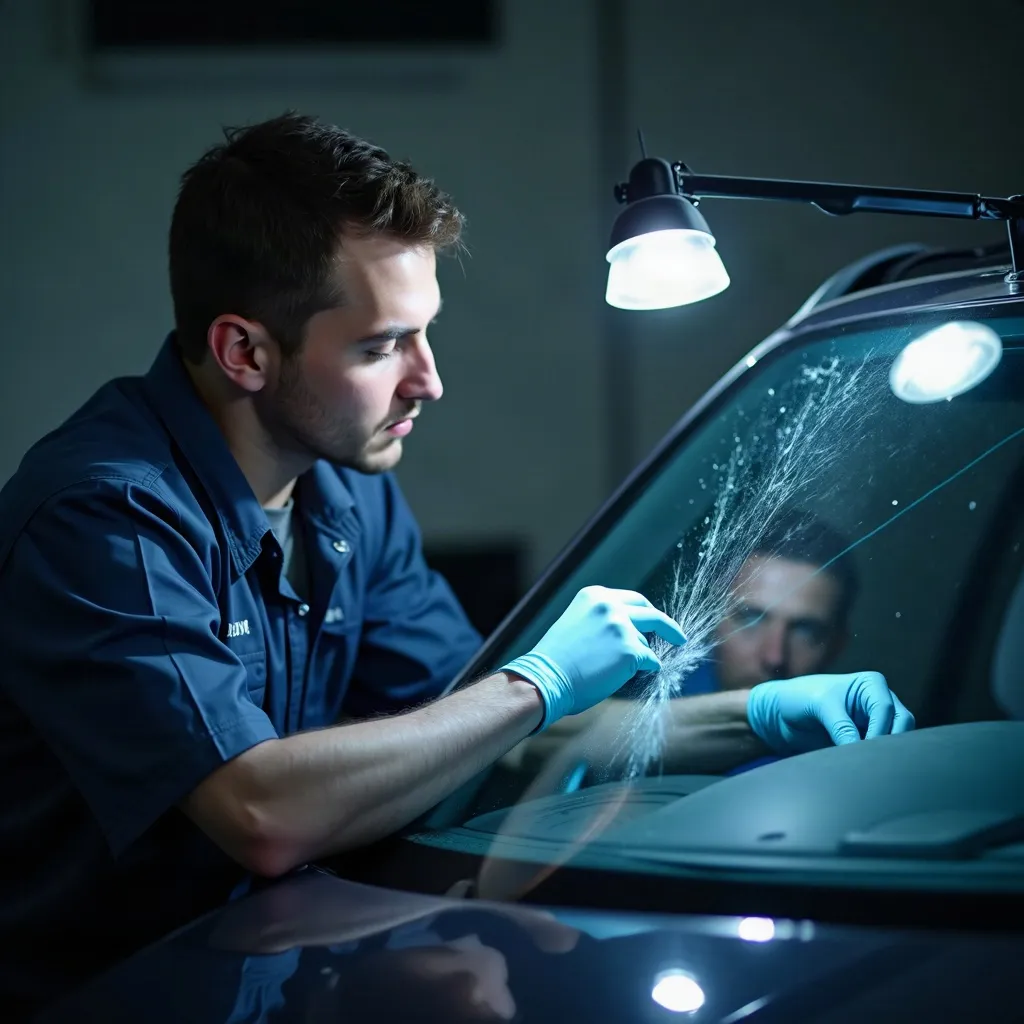
How Do You Know When to Seek Auto Glass Repair Expert Help?
When should one think about getting windshield repairs done? This question often comes up when drivers spot damage, such as chips or cracks, on their windshields. A prompt action is crucial; postponing fixes can exacerbate existing issues. Factors affecting the choice include the dimensions and placement of the damage. Small chips located away from the driver's line of sight may seem less urgent, yet even small imperfections can undermine the structural integrity of the windshield. Additionally, external factors, such as temperature fluctuations and moisture, can aggravate fractures over time. Drivers should also think about the potential effect on sight and protection while driving. Moreover, many insurance policies pay for windshield repairs, making it a financially prudent option. Ultimately, getting expert repairs done quickly can guarantee safe driving conditions and prolong the lifespan of the windshield. Recognizing these factors can help individuals determine the best course of action regarding windshield maintenance.
Signals You Need Auto Glass Repair Immediately
Identifying the signals that reveal an pressing requirement for windshield restoration is crucial for well-being. Cracks or chips, impaired visibility while navigating, and damaged structural stability can significantly affect a vehicle's performance. Managing these concerns immediately can stop additional harm and confirm safe driving conditions.
Cracks or Chips Visible
Visible cracks or chips in a windshield often signal an immediate requirement for fixing. These imperfections can undermine the physical strength of the glass, making it more vulnerable to further damage. Even small chips can expand due to fluctuations in temperature or vibrations from the road, becoming larger cracks that may obstruct the driver's vision. Additionally, cracks can weaken the windshield, increasing the danger of shattering during a impact. It is recommended for car proprietors to tackle these issues promptly, as ignoring fixes can lead to expensive new windshields and safety hazards. Frequent checks, especially following severe weather events or debris-related occurrences, can help identify these problems early and ensure secure operation of the vehicle.
Reduced Vision During Car Operation
What methods can a operator use to properly travel the road with impaired visibility? The answer involves recognizing the indications that signal a need for immediate windshield repair. When a driver encounters glare from the sun or headlights reflecting off damage, it can severely hinder their ability to see the road clearly. Additionally, if rainwater collects in cracks or chips, it may alter vision, creating hazardous driving conditions.
Drivers should remain vigilant to the appearance of marks or blemishes that cannot be wiped away, as these can further obscure visibility. Timely maintenance of any glass damage is essential; ignoring these indicators not only compromises protection but also boosts the probability of more extensive repairs needed later.
Compromised Structural Integrity
When a windshield suffers injury, the structural stability of the vehicle can be compromised, causing serious safety risks. The windshield offers critical protection in sustaining the vehicle's overall strength, especially during crashes. Breaks or fractures can undermine this defensive layer, leaving the vehicle less capable of withstanding blows. Warning signs requiring repair feature visible cracks extending across the glass, significant damage spots, or any warping affecting see now the driver's visual field. Additionally, if the windshield seems loose or if water leaks into the cabin, these indicate additional concerns. Quick attention to these indicators is critical to ensure safety and confirm that the vehicle can perform correctly in an crash, preserving passenger protection.
What Occurs During a Windshield Service?
Throughout a glass repair procedure, experts examine the damage initially to evaluate its magnitude and establish the appropriate repair strategy. Following the inspection, the repair work entails several steps to restore the integrity of the glass. Upon completion, a post-repair quality check guarantees that the fix meets safety standards and maintains visibility.
Review of Deterioration
A thorough inspection of damage is an essential first step in the windshield restoration process. Specialists examine the windshield closely to determine the magnitude and nature of the harm. They look for cracks, chips, and any indications of fragmentation to decide if the windshield can be repaired or needs replacement. This review encompasses measuring the proportions and depth of the harm, in addition to its position. Considerations such as distance from the edges and the driver's visual field are also reviewed. Furthermore, the technician examines for any issues that might affect the repair, such as moisture or debris within the cracks. This detailed inspection guarantees that the subsequent repair process is both effective and safe.
Repair Process Stages
The windshield repair procedure proceeds step-by-step, beginning with the technician readying the damaged area. This involves cleaning the surface to remove dirt and debris, ensuring a proper bond. Next, the technician assesses the size and depth of the damage, determining the appropriate repair method. They then inject a specialized resin into the crack or chip, filling it completely to restore structural integrity. The resin is cured using ultraviolet light, which hardens it and makes it transparent, merging into the existing glass. After curing, the technician carefully removes any excess resin and polishes the surface for a smooth finish. This meticulous process aims to improve visibility and maintain the safety of the vehicle while minimizing further damage.
Post-Repair Quality Verification
Upon completion of the repair process, the technician undertakes a thorough post-repair quality check to establish the integrity and clarity of the windshield. This step involves examining the repaired area for any irregularities or bubbles that may hinder visibility. The technician inspects the bonding interface to verify it has cured properly, delivering structural support. Additionally, they may utilize precision instruments to assess the repair's effectiveness, guaranteeing that it satisfies industry standards. The technician also verifies the alignment of the windshield, verifying it is correctly positioned within the frame. Finally, they may refresh the glass surface, removing any marks or film, which enhances clarity. This meticulous quality check is essential for safe driving and ensures customer satisfaction with the repair.
Why Professional Windshield Service Is Superior Than DIY
Why choose a DIY method for windshield repair when professional services offer skill and accuracy? Professionals possess specialized training and experience that enable them to assess and address various types of damage effectively. Unlike DIY approaches, which may depend on trial and error, skilled technicians use cutting-edge equipment and approaches to restore the windshield's clarity and structural integrity.
Furthermore, certified fixes often include guarantees, supplying confidence that homemade repairs don't provide. The threat of improper repair is substantial; an improperly repaired windshield can compromise safety while operation and lead to further harm. Moreover, professionals comply with industry standards, confirming the repair meets safety codes.
By comparison, DIY fixes may inadvertently intensify the damage or generate new issues, causing expensive replacements. In the end, selecting professional windshield service is a smart decision, offering protection and clarity while on the road.
Finding a Dependable Windshield Maintenance Provider
What is the best way to discover a trustworthy windshield repair provider? First, people should seek suggestions from friends, family, or online reviews. A provider with positive feedback and high ratings often shows dependability and superior service. Next, checking qualifications and certifications is essential; professionals should be certified by associations such as the National Windshield Repair Association.
In addition, transparency in pricing and services offered helps establish trust. A reputable provider will provide a detailed estimate free from hidden fees. It's also beneficial to inquire about the kinds of materials used, as premium adhesives and glass can impact safety and durability.
Finally, consider the provider's repair warranty, which shows trust in their work. By adhering to these guidelines, people can make well-informed choices, guaranteeing they choose a provider who prioritizes customer satisfaction and safety.
What to Anticipate When Your Windshield Gets Repaired?
When a windshield restoration is arranged, the vehicle owner can expect a simple process that prioritizes speed and protection. First, a technician assesses the damage, determining whether a repair is possible or if a new windshield is necessary. This assessment involves checking the extent and location of the chip or crack, confirming it does not obstruct the driver's sight.
After determining it repairable, the technician readies the area by cleaning it and applying a special resin. This resin is injected into the affected area, effectively sealing it and restoring structural soundness. The process typically takes about 30 minutes to an hour, based on the damage severity.
After the repair, the specialist may offer advice on what to steer clear of immediately, such as drastic temperature fluctuations. In general, the process seeks to minimize inconvenience while guaranteeing the vehicle is safe for continued use. The result is a more transparent and safer glass, enhancing the road experience.
Maintaining Your Windshield in Proper Shape Post-Repair
Following a windshield repair, it is important to maintain the strength of the repair for long-term safety and visibility. To assure peak performance, the vehicle owner should avoid abrasive cleaners and rough substances, as these may impair the repaired area. Using soft soap with water with a soft cloth is suggested for routine cleaning.
Additionally, it is recommended to give a minimum of 24 hours before exposing the windshield to heavy rain or extreme temperatures. This allows the bonding agent to set fully. Frequently inspecting the windshield for any evidence of deterioration is also essential; swift action to chips or cracks can stop further deterioration.
Finally, leaving your car in shaded areas can lessen thermal stress on the glass, protecting the repair. By adhering to these guidelines, drivers can keep their windshield's cleanliness and strength, encouraging a more secure driving experience.
Regularly Answered Questions
What Length of Time is Needed for a Standard Windshield Repair?
A standard windshield repair requires about 30 to 60 minutes. Factors affecting duration include the size and position of the damage, as well as the repair specialist's expertise and the specific fixing techniques used.
Does My Insurance Cover Windshield Repair Costs?
Insurance coverage for windshield replacement costs varies by policy. Many insurers include this service, often with no deductible. It is advisable for individuals to check with their insurance company for detailed information regarding their coverage.
May I Drive My Car After a Windshield Repair?
Once a windshield repair is completed, it is typically safe to drive your car. However, it's recommended to refrain and let the cement cure, usually at least an hour, guaranteeing ideal bonding and protection during your drive.
What Types of Harm Can Be Repaired?
Windshield damage that is repairable includes small chips, cracks up to a specific length, and star breaks. Repairs are generally effective if the damage is within the driver's line of sight and not extensive.
What Measures Can I Take to Stop Windshield Damage Going Forward?
To prevent future windshield damage, keep a safe distance between your vehicle and others, stay away from unpaved roads, frequently check for chips, and position your vehicle in shaded spots to minimize temperature fluctuations that can weaken the glass.
Report this page